Authentic Origin Spices


Our Name is Who We Are

Authentic, when applied to spices and foods, means genuinely sourced from the correct plant, place, and tradition—never diluted, substituted, or altered. Harvested and handled at the right time for peak freshness, authentic products preserve natural flavor, aroma, and integrity through traceable origins and honest handling.

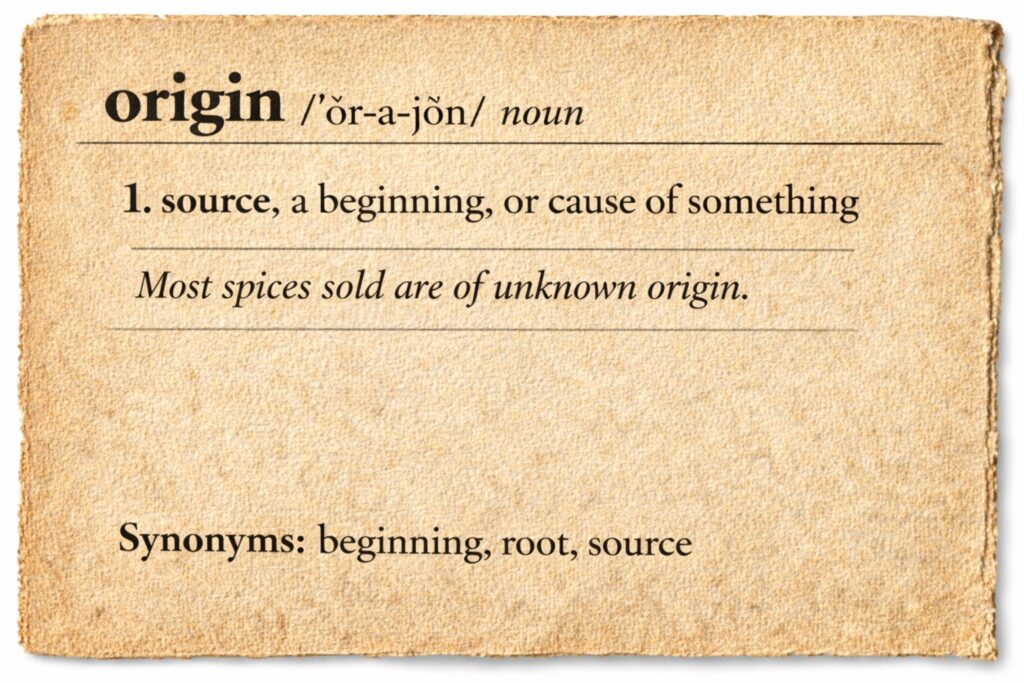
Origin, when applied to spices and foods, means the true place and conditions where a product begins—its land, climate, and growing tradition. Clearly defined origin links freshness, quality, and character to harvest timing and handling, ensuring flavors reflect when and where they were naturally formed, not obscured or misrepresented.

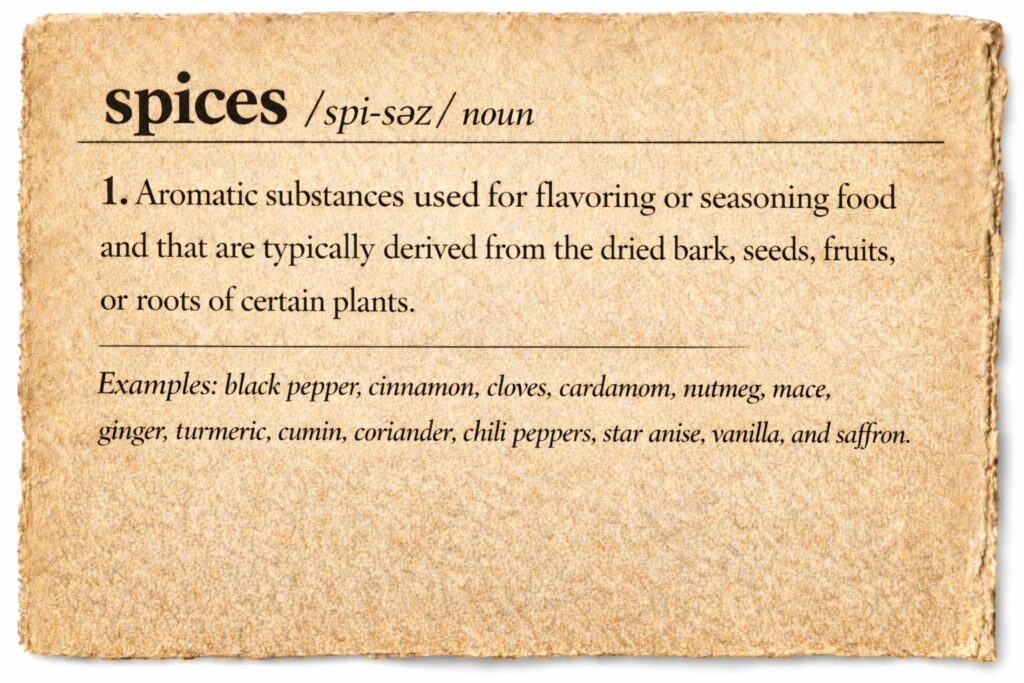
Spices are aromatic substances derived from specific parts of plants—seeds, bark, roots, buds, fruits, or stigmas—used to flavor, color, and preserve food. Examples include black pepper, cinnamon, cassia, cloves, cardamom, nutmeg and mace, ginger, turmeric, cumin, coriander seed, chili peppers, star anise, and saffron.

Why are the Origins of Your Food Important?

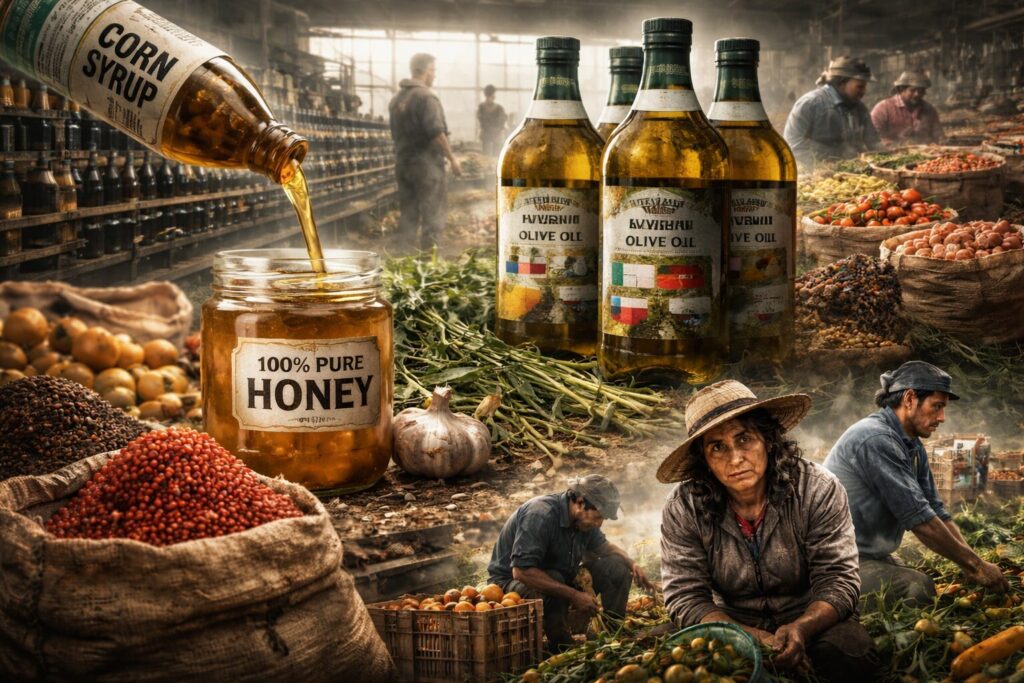
Today’s global food system is broken in ways most consumers never see. Foods like honey are often diluted with cheap syrups, olive oil is blended from multiple countries but sold as if it comes from one place, and spices and other crops change hands so many times that their true origin is lost. To keep prices low, some farms cut corners by underpaying workers, exposing them to unsafe conditions, and damaging the land through poor farming practices. These problems cheat customers, harm honest farmers, and wear down the soil and communities that food depends on, showing why clearer sourcing and responsible farm-to-table practices matter more than ever.


The Meaning and Symbolism of the Brand Image

The story of spices is truly global. That is why the globe is shown.  Spices are grown in few regions of the world, and  each spice thrives only under certain natural conditions. Some regions produce exceptional quality because of their soil, climate, rainfall, elevation, humidity, sunlight, drainage, and traditional farming practices. Together, these factors shape the aroma, flavor, color, intensity, and subtle complexity of each spice.


This relationship between a crop and the place where it is grown is known as *terroir*, a French word most often associated with wine. Terroir means the distinctive character that geography, climate, and culture give to an agricultural product. The same idea applies to spices. A spice grown in one region may be bold, earthy, and intense, while the same spice grown elsewhere may be brighter, sweeter, more floral, or more delicate.


These differences are not accidental. They come from the relationship between the plant, the land, the weather, and the people who cultivate, harvest, dry, and prepare it. This is why origin matters. Spices are not just ingredients or commodities; they are expressions of place, tradition, and careful cultivation. The natural differences between growing regions give spices their unique character and make their origins an essential part of their story.